
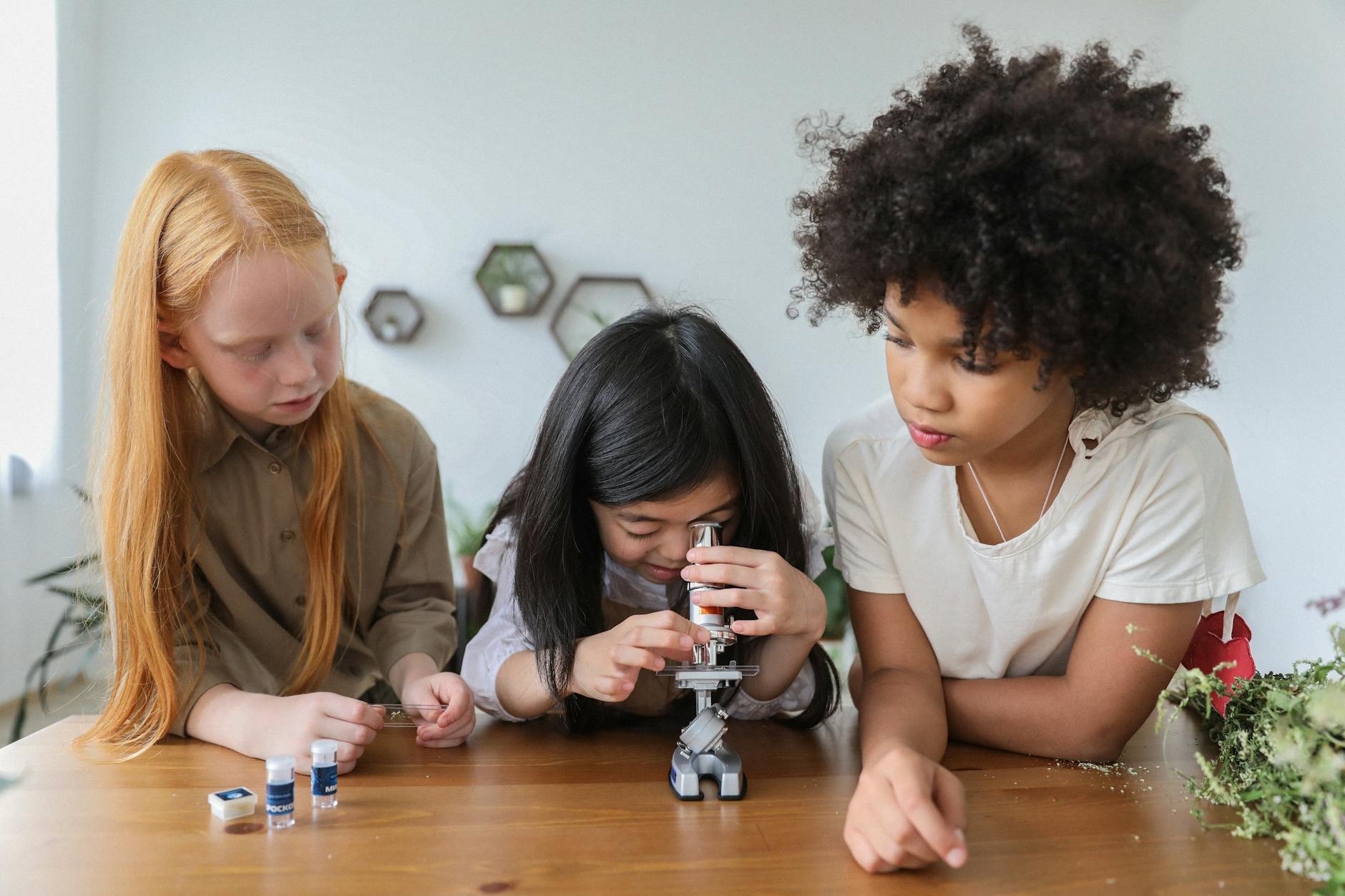

How to Enhance Early Childhood Education Skills in Australia
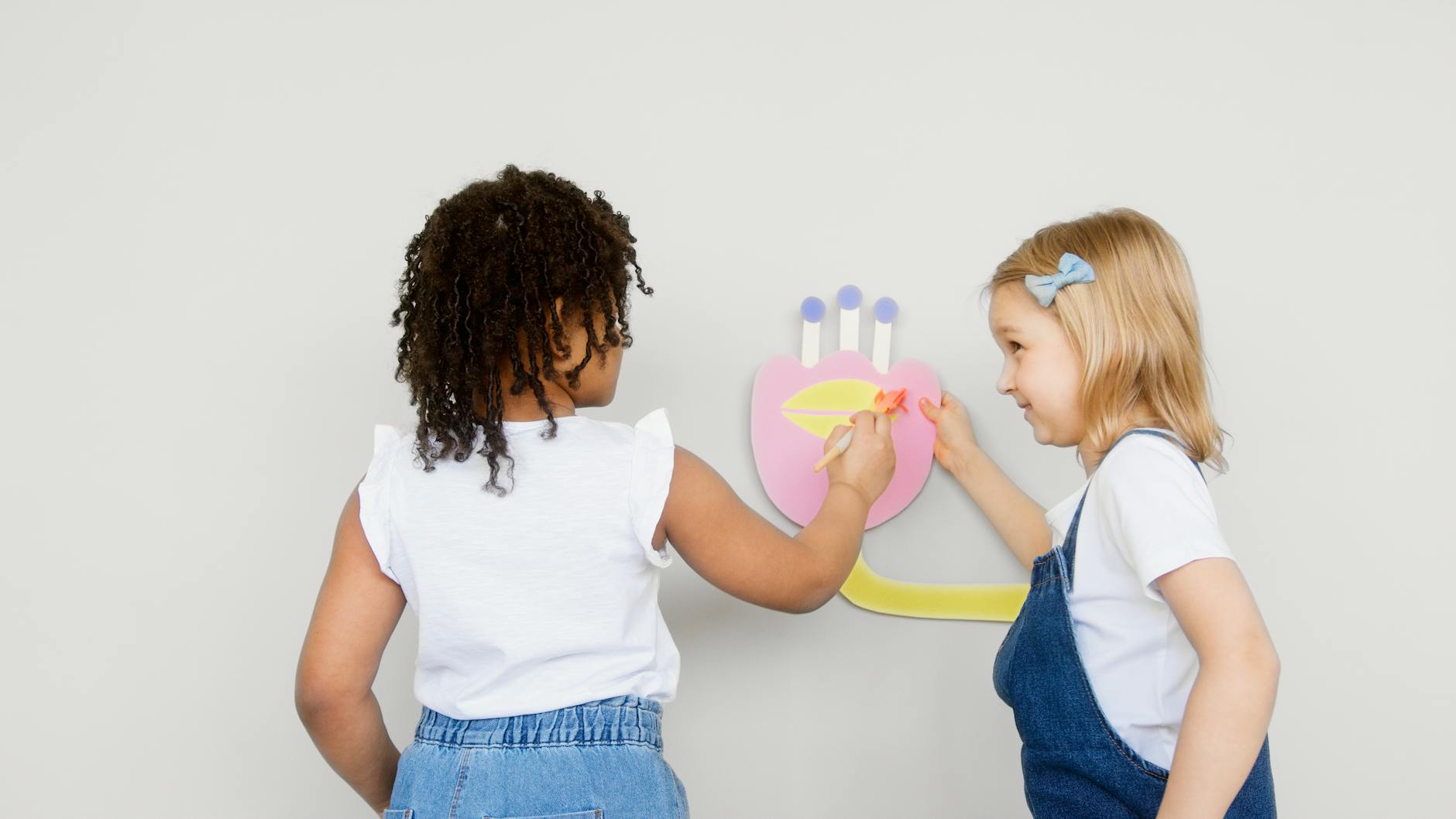
Exploring Education Trends
As a dedicated preschool instructor in Brisbane, I've seen first-hand how innovative techniques can capture a child's imagination. For instance, during a visit to South Bank Parklands, I was inspired by their educational programs, which beautifully incorporate natural surroundings into learning experiences. This sparked ideas on using outdoor spaces effectively for storytelling and interactive games, which are crucial for young learners.
Innovative Teaching Techniques
Innovative teaching techniques involve more than just creative classroom setups; they focus on engaging students in diverse ways. Techniques like thematic storytelling and hands-on activities, often used at places like South Bank Parklands, can be seamlessly integrated into daily curricula. For educators considering professional development, a support worker online training course might delve into these strategies, offering practical applications for the classroom.
Integrating Technology in Learning
Technology has revolutionised early childhood education by making learning more interactive. Online tools and resources can supplement traditional teaching methods, offering a plethora of possibilities for creating engaging lesson plans. I've found that smartboards and educational apps can transform a traditional lesson into an exciting interactive experience for children. Moreover, teachers interested in further integrating technology in the classroom could consider an online certificate mental health to understand how digital tools influence a child's mental wellbeing.
Emphasizing Emotional Development
Understanding what is a community support worker helps educators appreciate the role they play in fostering emotional growth. Emphasising emotional development is critical in early education, as it supports children in building strong interpersonal skills and self-esteem. Learning how to nurture emotional intelligence, possibly during professional workshops or courses, can empower teachers to support students effectively, laying the foundation for their future relationships and academic success.
Online Courses for Skill Enhancement
Assessing Course Accreditation
In the vibrant landscape of online education in Australia, finding accredited courses with genuine value can be daunting. As an early childhood educator, aligning your professional development goals with accredited online programs is essential. When I contributed to preschool education workshops at the Queensland Children's Hospital Learning Precinct, peers often shared their journey through relevant pathways. Opting for reputable early childhood courses online Australia ensures you remain current with impactful teaching methodologies. Accreditation checks might involve looking into the course’s affiliation with recognised educational bodies, as these assure quality and industry relevance.
Balancing Study and Work
Navigating the tightrope between enhancing skills and professional commitments can be challenging. In my experience, every educator must turn moments into opportunities for growth. Embracing flexible schedules offered by online platforms can provide the necessary balance. Consider how structured time blocks can facilitate smoother transitioning from work-life to study mode. Early morning or late evening slots could work wonders when managing commitments, enabling you to delve into courses like community support worker courses without disrupting daily routines.
Selecting Courses for Career Growth
Selecting the right courses goes beyond just acquiring knowledge. It's about opening doors for advancement and fulfilling career aspirations. When I taught art at the GOMA Children's Art Centre, these tailored courses provided skills that resonated with innovative teaching methods. As an educator, prioritise courses that align with your career goals, such as those focusing on specific age groups or educational strategies. Programs like cert 3 individual support ageing can expand your skill set, offering new perspectives critical to advancing in the field of early childhood education.
Classroom Strategies
Creative Activity Planning
When crafting engaging activities for our young learners, it's important to incorporate elements that both inspire and educate. Reflecting on my own experience with art workshops at the GOMA Children's Art Centre, I've found that hands-on art projects ignite creativity in children and enhance their cognitive skills. Using a mix of local culture and art encourages them to express themselves freely. A surprising favourite among my students was a project inspired by South Bank Parklands' educational programs — creating mini ecosystems in glass jars. This simple activity sparked endless curiosity and dialogue about nature and the environment.
Adapting to Diverse Learning Styles
Differentiating instruction is a cornerstone in catering to the unique learning styles present in every classroom. Gleaning insights from my time at the Queensland Children's Hospital Learning Precinct taught me that individualised learning paths can significantly impact a child's educational journey. For example, incorporating elements from the cert disability support curriculum can allow children with varying abilities to engage fully with classmates. Through adaptive learning technologies and personalised tasks, we can ensure each student's strengths are acknowledged and nurtured.
Encouraging Student Participation
Student engagement is more than just attendance; it's about creating a vibrant learning atmosphere where every child feels valued. I often employ interactive storytelling sessions, where students take turns narrating or acting out different parts of a story. This approach not only enhances their speaking and listening skills but also boosts confidence. With the support of certificates like cert 3 in disability and aged care, educators are better equipped to foster inclusive environments where participation is encouraged, leading to enriched classroom dynamics.
Overcoming Professional Challenges
Managing Time Efficiently
As an early childhood educator in bustling Brisbane, I often find myself balancing the needs of my preschoolers with my personal professional growth certificate in counselling online. The key to managing time efficiently lies in setting clear priorities and embracing tools that streamline tasks. For instance, leveraging scheduling apps and digital planners can help keep track of both classroom activities and my ongoing studies. It's about finding a workflow that minimizes time spent on manual tasks, so I can focus more on the enriching aspects of teaching.
Staying Updated with Trends
Keeping abreast of the latest trends in early childhood education is vital, not just for personal growth but to ensure our teaching methods remain fresh and relevant. Engaging with resources like educational blogs and webinars can provide valuable insights. I've found local events, such as the programs offered at the South Bank Parklands, to be incredibly enriching. These platforms are excellent for learning about cutting-edge developments and innovative teaching techniques.
Building a Support Network
In my experience, building a supportive network of fellow educators can offer more than just camaraderie; it serves as a critical resource for advice and shared experiences. Whether it's through attending webinars or participating in social media groups focused on early childhood education, connecting with others helps in exchanging ideas and strategies. By maintaining these connections, educators can also discover new opportunities, like early childcare courses online, enhancing both professional and personal growth.
Best Practices
Expert Advice for Early Childhood Professionals
Over the years, I've noticed the profound impact of sharing practical tips among educators. One effective method is engaging children in interactive storytelling at the South Bank Parklands educational programs. This approach not only captures their imagination but also enhances their language skills. Another strategy I've embraced is incorporating art from the GOMA Children's Art Centre into lessons. Encouraging children to express themselves through art fosters creativity and boosts their confidence.
The Lifelong Journey of Self-Evaluation
Self-evaluation is crucial for continuous improvement in our teaching methods. Reflecting on lessons allows us to identify areas for growth and celebrate successes. A valuable tool I've found is video recording my sessions. By reviewing these recordings, I can assess my interactions and adapt my approach to better meet the needs of my students.
Cultivating a Cooperative Environment
Creating a collaborative culture is essential for professional development. At the Queensland Children's Hospital Learning Precinct, I've witnessed firsthand the benefits of educators coming together to exchange ideas and experiences. Regular meet-ups, be it informal coffee chats or structured workshops, are opportunities to share resources, discuss the latest early childhood education trends, and build a robust support network. Emphasizing teamwork not only strengthens our connections but also enhances our collective knowledge base.
Through practical application, self-assessment, and collaborative engagement, we can continually improve and empower our young learners in early childhood education settings.